Blog Details
☆ From Blog
Blog Details
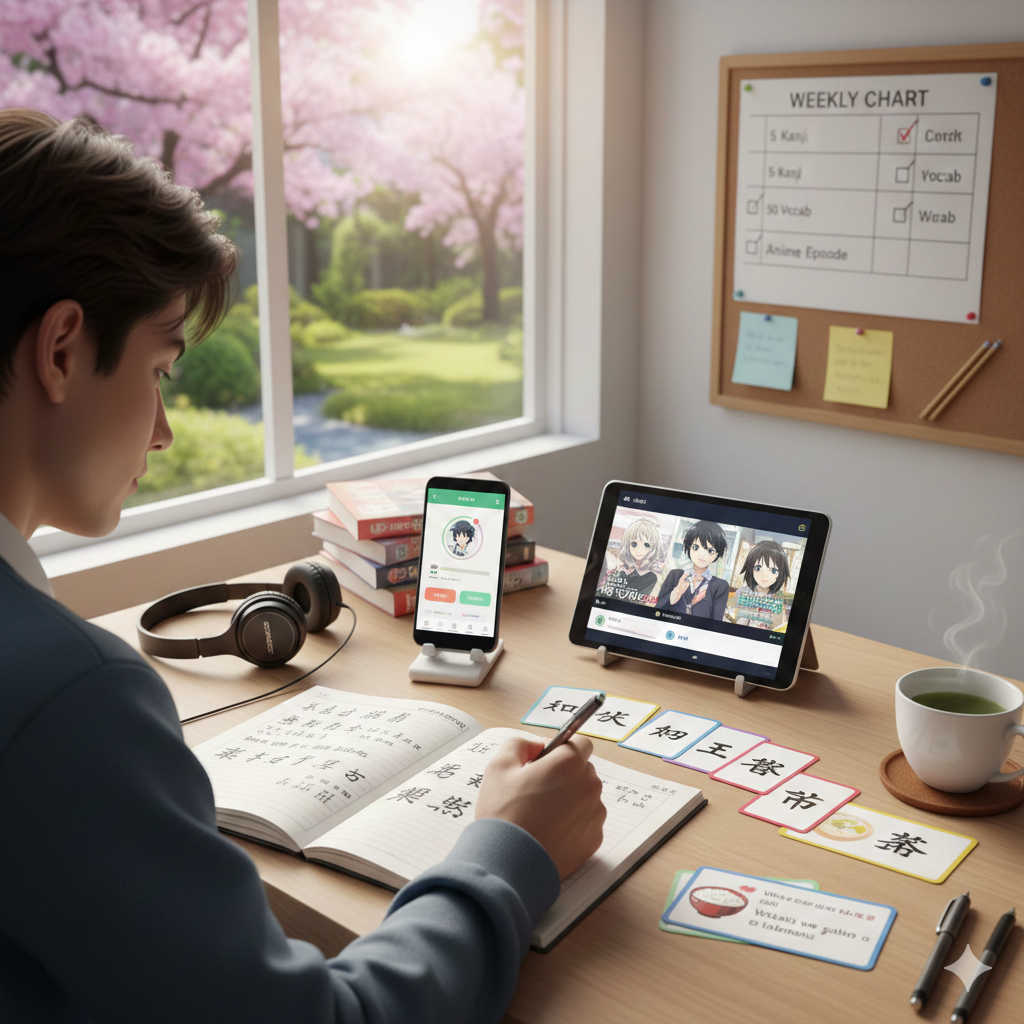
Effective Ways to Learn Japanese Easily
1. Start with the Basic Scripts
The Japanese language mainly consists of three scripts: Hiragana, Katakana, and Kanji.
- Hiragana: This is the most fundamental script, used for the grammatical parts of Japanese words and for writing original Japanese words. Proceed only after mastering this, as it is the most crucial foundation.
- Katakana: This is primarily used for foreign words, names, and for emphasis. It is easier to learn after Hiragana because it uses the same sounds.
- Kanji: These are characters derived from Chinese characters and give meaning to words. This is the most challenging part, so start by learning only a few at first and gradually increase the number.
💡 Tip: Use Flashcards or mobile apps to learn Hiragana and Katakana. Practice writing the characters repeatedly.
2. Learn Grammar and Vocabulary Simultaneously
Start with simple sentence structures and words used in daily life.
- Simple Grammar: The Japanese sentence structure is different from Nepali ($SOV$ - Subject-Object-Verb). For example: "I eat rice" $\rightarrow$ Watashi wa gohan o tabemasu (I $\rightarrow$ rice $\rightarrow$ eat).
- Daily Vocabulary: Memorize essential basic conversation words like greetings (Hello, Thank you, Sorry), numbers from 1 to 10, and simple verbs.
3. Listening and Speaking Practice
The easiest way to learn a language is by listening to it and speaking it.
- Audio-Visual Materials: Watch Japanese Anime, movies, or simple children's programs (Beginner level materials). Even if it's difficult to understand initially, it helps grasp the pronunciation and intonation.
- Shadowing: Try to immediately repeat (imitate) the audio you hear. This helps improve your pronunciation.
- Language Partner: If possible, find a friend or talk with a tutor to practice speaking Japanese.
4. Consistency and Patience
No language can be learned overnight. Practicing regularly, even if only for 20-30 minutes daily, is the most important thing.
- Set Small Goals: Set small, achievable goals, such as learning 5 new Kanji and 50 new words every week.
- Make it Fun: Listen to Japanese songs, try cooking Japanese food, or read about Japanese culture.
Recent Blogs
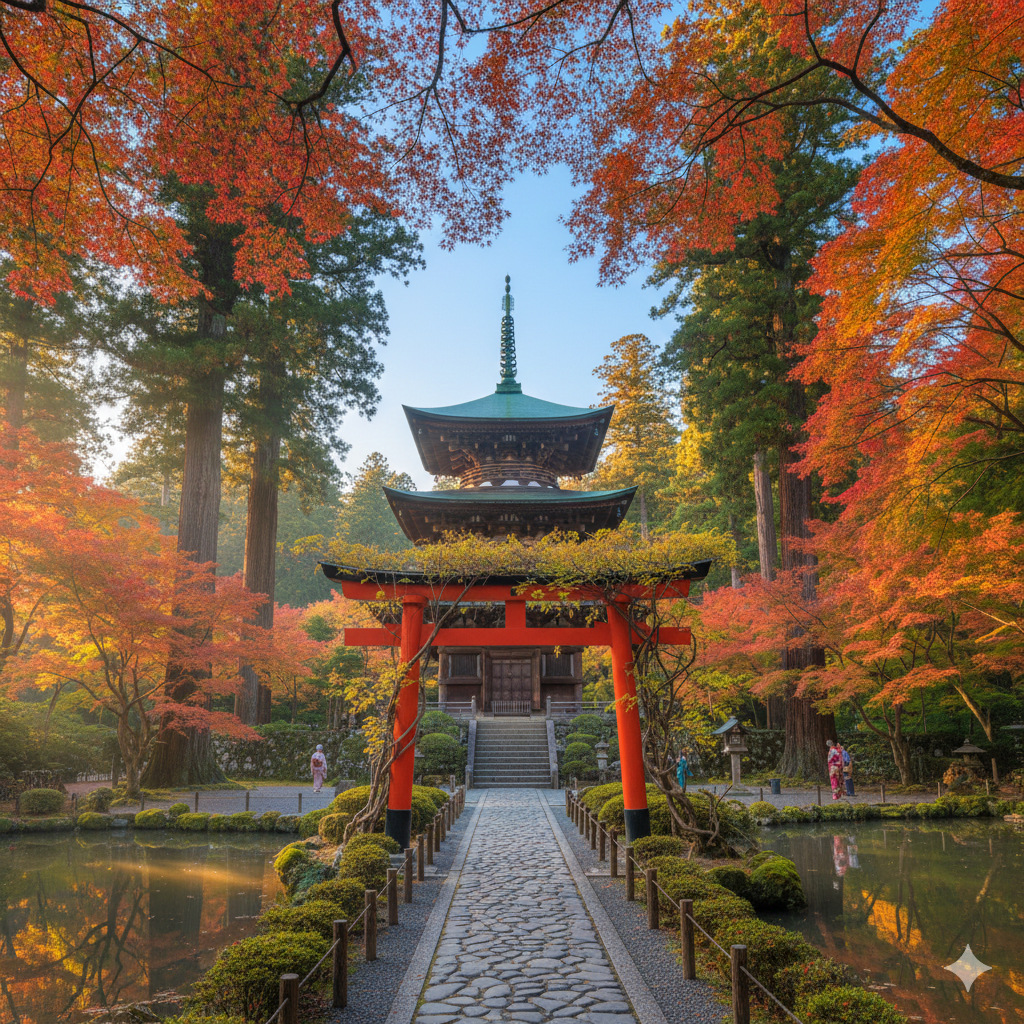
🇯🇵जापानी भाषा सिकौँ, जापान जाने सपना साकार पारौँ! 🌸
January 25, 2026
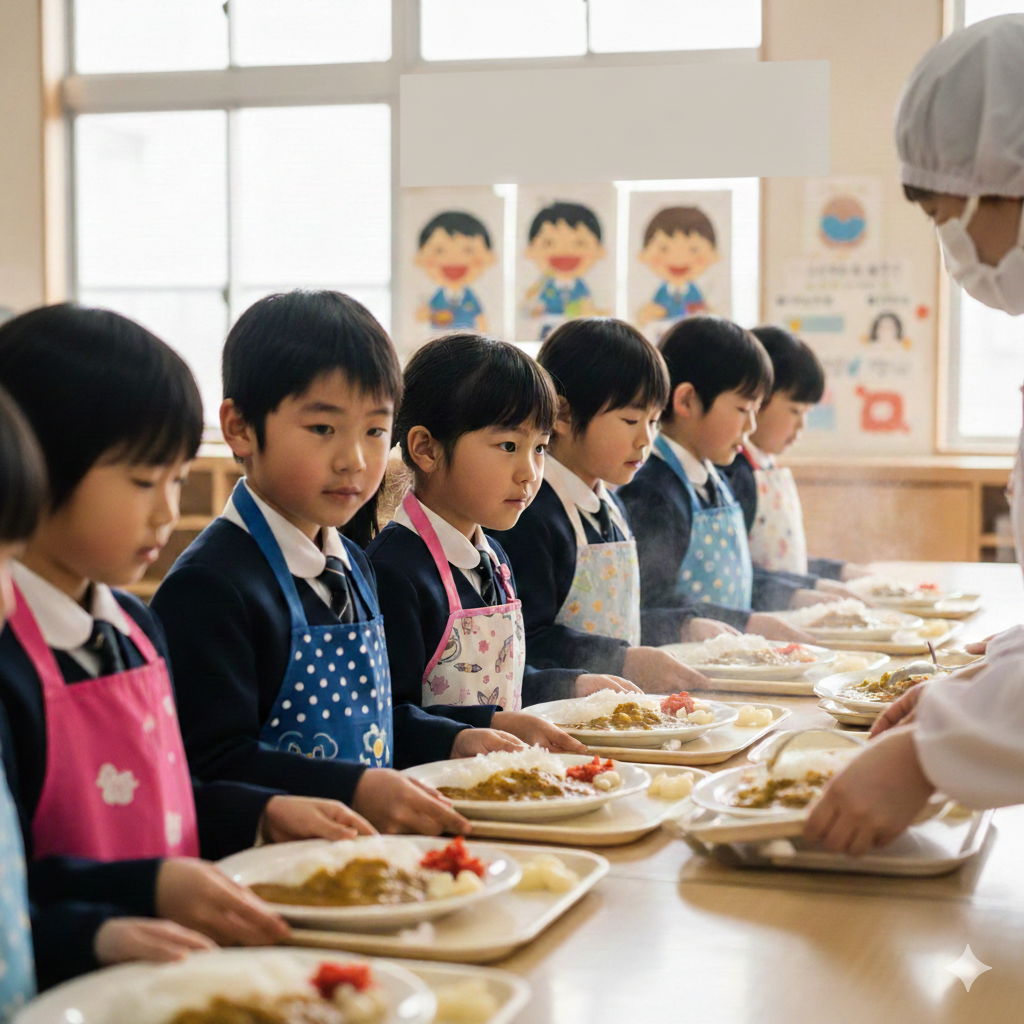
How Curry Day is celebrated in Japan like this
January 22, 2026

Are you preparing to go to Japan on a Student Visa or SSW Visa? If you are looking for high-quality Japanese language classes, look no further!
January 21, 2026

Here are the key strengths and positive aspects of Sabi Education Group
January 20, 2026
Services
Working Hours
- Sunday: 7 AM to 5 PM
- Monday: 7 AM to 5 PM
- Tuesday: 7 AM to 5 PM
- Wednesday: 7 AM to 5 PM
- Thursday: 7 AM to 5 PM
- Friday: 7 AM to 5 PM
Contact Us
OFFICE :
- Bharatpur
- Ratnanagar
Copyright © 2025 Sabi Education Group. All rights reserved
Powered by Dipesh Chaudhary