Blog Details
☆ From Blog
Blog Details
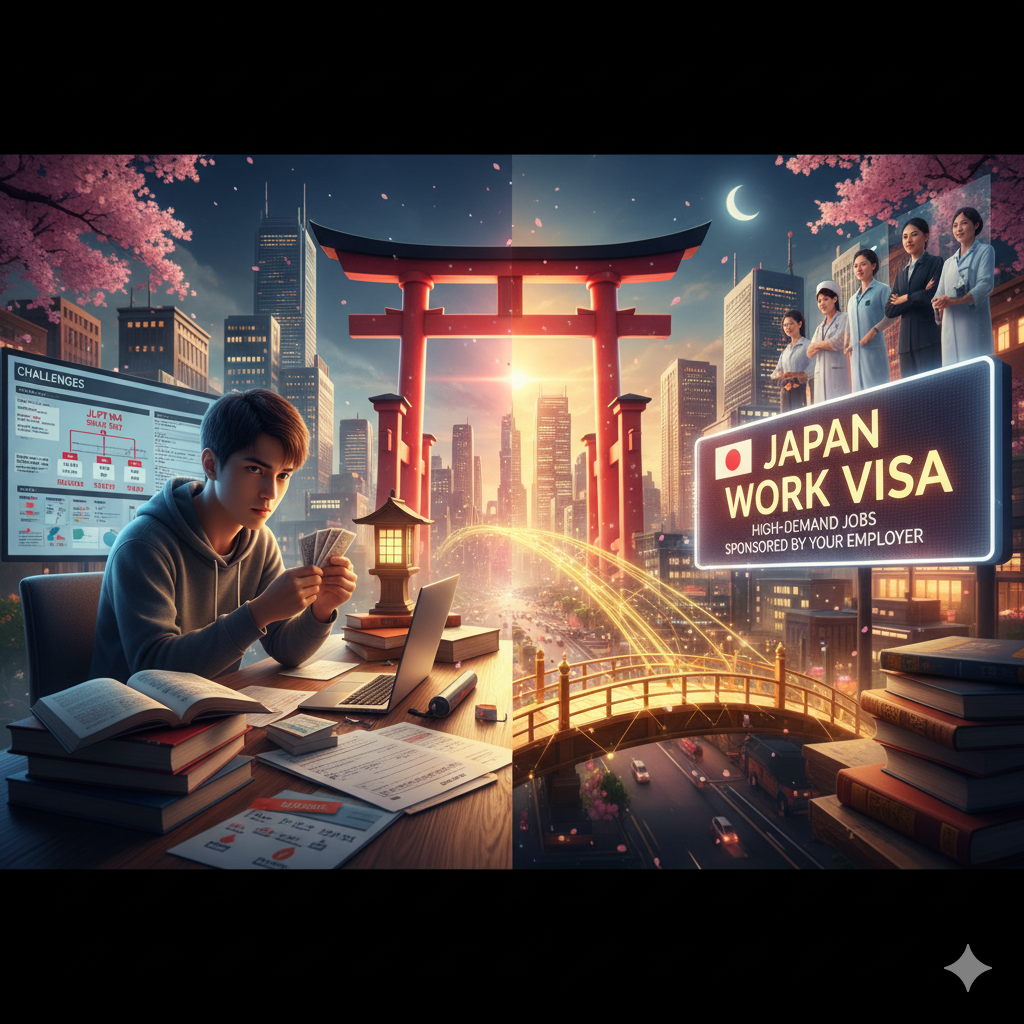
How Difficult Is It to Get a Japanese Working Visa?
The process of obtaining a Working Visa (formally known as a Status of Residence) in Japan largely depends on your qualifications and the sponsorship provided by a Japanese employer. While it is a complex process, it is certainly achievable with proper preparation and eligibility.
Key Challenges in the Visa Process
Securing a Japanese working visa primarily involves overcoming two main hurdles: meeting the qualification criteria and obtaining employer sponsorship.
1. Qualification Criteria (Education and Skill)
Japan generally prefers skilled and specialized workers over general laborers for standard working visas.
- Higher Education and Experience: The process is significantly easier if you hold a Bachelor's Degree or higher and have sufficient relevant professional experience in your field. Visas are commonly granted to specialists like IT professionals, engineers, educators, or international business experts.
- Skill Specialization: Without a specialized skill set, you may need to apply for newer visa categories like the Specified Skilled Worker (SSW) visa, which requires passing specific skill proficiency tests. This route caters to industries with severe labor shortages (e.g., nursing, agriculture, construction).
2. Company Sponsorship and Job Offer
The single biggest requirement for obtaining a Japanese visa is securing a job offer from a company in Japan that is willing to sponsor you and handle the documentation for the Certificate of Eligibility (COE).
- Securing Employment: You must have a confirmed job offer before the visa application process can formally begin. The employer must prove to the immigration authorities that they require your specific skills and that the position cannot be easily filled by a Japanese national.
- Importance of Japanese Language: Most Japanese companies expect employees to possess a decent level of Japanese language proficiency (typically N3 or N2 level), especially in roles that require interaction with colleagues or clients. Higher language skills significantly increase both your job prospects and the ease of the visa process.
Tips to Improve Your Chances
If you are planning to work in Japan, focusing on these areas will significantly streamline your visa application:
- Learn Japanese: Aim for N2 or N3 proficiency. Language skills are highly valued and directly impact your eligibility for many professional positions and the subsequent visa approval.
- Focus on Specialized Expertise: Obtain higher education degrees or specific professional certifications in high-demand fields such as IT, engineering, or caregiving.
- Consider Alternative Visas: Explore options like the Specified Skilled Worker (SSW) visa if your skills align with sectors facing labor shortages, as the educational requirements for SSW can differ from the standard specialist visas.
Recent Blogs
🇯🇵जापानी भाषा सिकौँ, जापान जाने सपना साकार पारौँ! 🌸
January 25, 2026

How Curry Day is celebrated in Japan like this
January 22, 2026
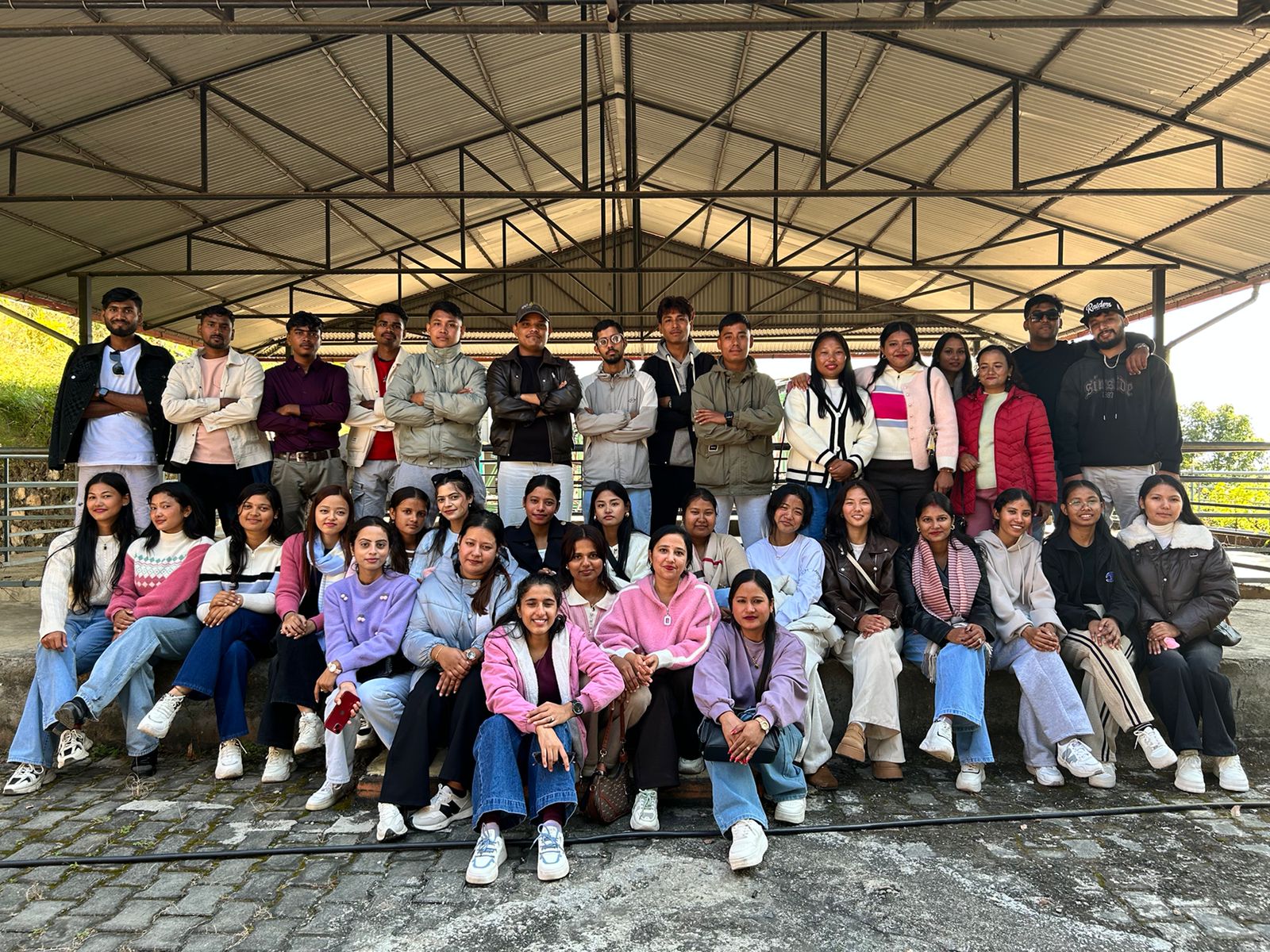
Are you preparing to go to Japan on a Student Visa or SSW Visa? If you are looking for high-quality Japanese language classes, look no further!
January 21, 2026
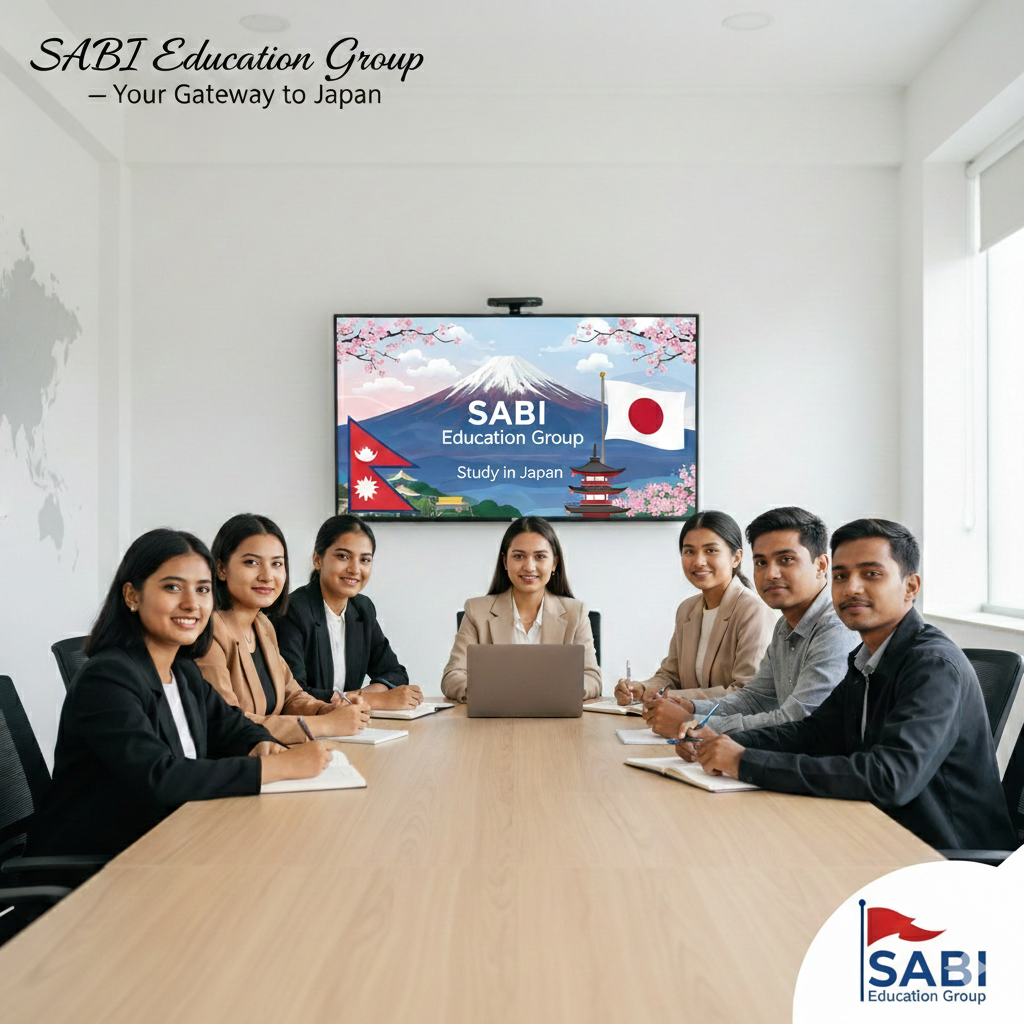
Here are the key strengths and positive aspects of Sabi Education Group
January 20, 2026
Services
Working Hours
- Sunday: 7 AM to 5 PM
- Monday: 7 AM to 5 PM
- Tuesday: 7 AM to 5 PM
- Wednesday: 7 AM to 5 PM
- Thursday: 7 AM to 5 PM
- Friday: 7 AM to 5 PM
Contact Us
OFFICE :
- Bharatpur
- Ratnanagar
Copyright © 2025 Sabi Education Group. All rights reserved
Powered by Dipesh Chaudhary