Blog Details
☆ From Blog
Blog Details
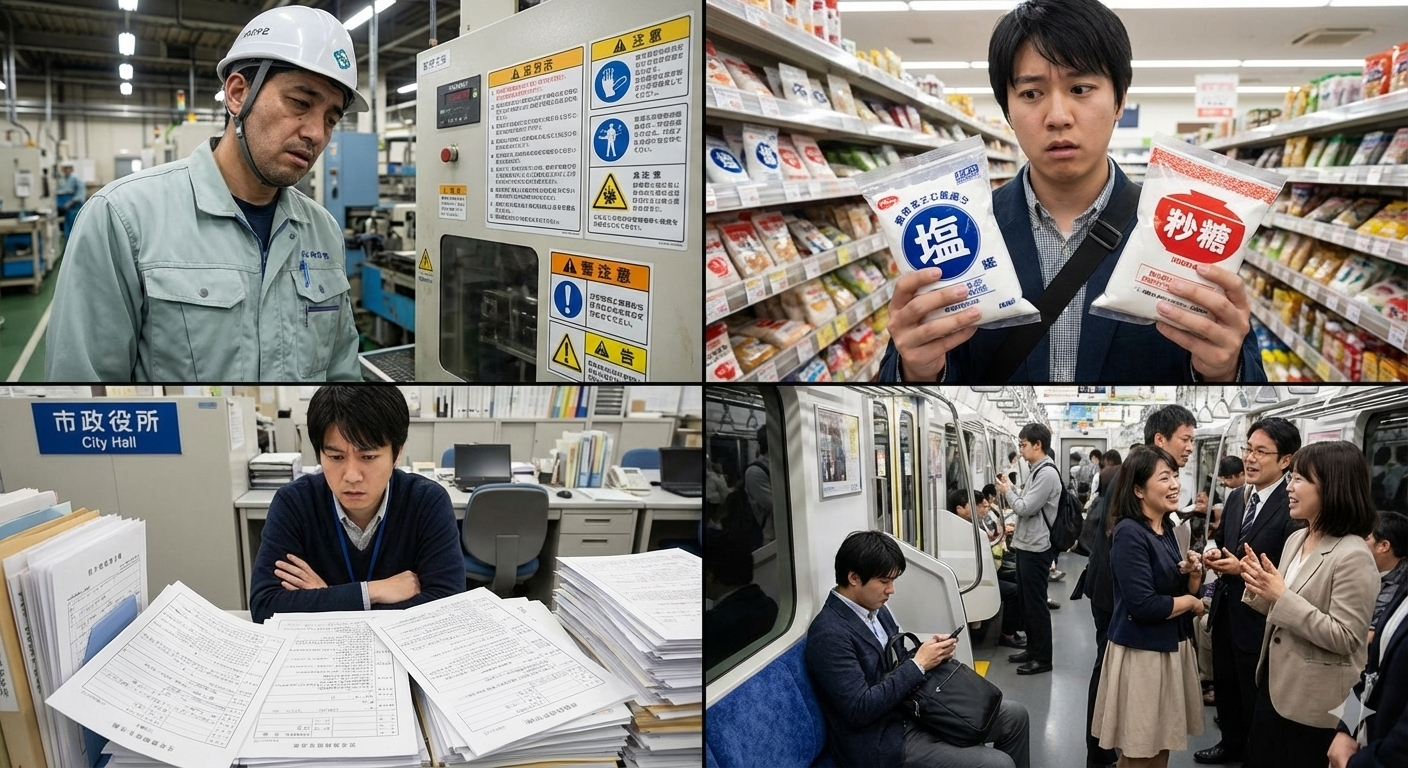
If you go to Japan without a solid foundation in the language, here are the major challenges you will face:
1. Workplace Challenges
Without Japanese skills, your career options become very narrow.
- The "3K" Jobs: Most people with low language skills end up in 3K jobs—Kitsui (difficult), Kitanai (dirty), and Kikken (dangerous). This includes factory work, heavy cleaning, or manual labor.
- Communication Gaps: If you cannot understand your boss's instructions, you will make mistakes. This leads to high stress, being scolded, or even losing your job.
- Zero Growth: You might be the hardest worker in the room, but without the language, you cannot be promoted to a manager or a leader. You will stay at the same entry-level pay for years.
🛒 2. Daily Life Struggles
Japan is not like Europe or parts of Southeast Asia where English is widely spoken.
- Basic Tasks: Buying groceries becomes a guessing game. You might buy salt instead of sugar, or accidentally buy food you are allergic to because you can't read the labels.
- Paying Bills: Setting up Wi-Fi, electricity, or water involves phone calls or forms that are almost entirely in Japanese.
- Medical Emergencies: This is the scariest part. If you get sick and go to a hospital, explaining your symptoms to a doctor is nearly impossible without knowing the language.
📄 3. The "Paperwork" Nightmare
Japan loves its paperwork, and almost all of it is in Kanji.
- City Hall: You have to register your address and insurance. Doing this without a translator or good Japanese skills is extremely frustrating.
- Banking: Opening a bank account or sending money home requires understanding complex terms.
- Visa Issues: Any mistake on your official documents due to a language barrier could lead to problems with your visa status later on.
😔 4. Mental Health and Isolation
This is the hidden struggle that many don't talk about.
- Social Isolation: You will be surrounded by people but feel completely alone because you can't join conversations.
- The "Bubble": You might get stuck only talking to other foreigners from your own country. While this is comfortable, it prevents you from truly experiencing Japanese culture or making local friends.
- Loss of Confidence: Constantly relying on others to translate for you can make you feel helpless and lower your self-esteem.
✅ My Advice: Prepare Now
To have a "good" life in Japan, don't just aim to pass the exam—aim to communicate.
- Reach N4 or N3 Level: N5 is just the beginning. N4 is helpful, but N3 is where life actually starts getting comfortable.
- Focus on Listening & Speaking: In Japan, you need to hear and speak more than you need to write on paper.
- Learn Kanji Daily: Even learning 5 Kanji a day will save you from getting lost or buying the wrong things at the store.
Recent Blogs

🇯🇵जापानी भाषा सिकौँ, जापान जाने सपना साकार पारौँ! 🌸
January 25, 2026

How Curry Day is celebrated in Japan like this
January 22, 2026
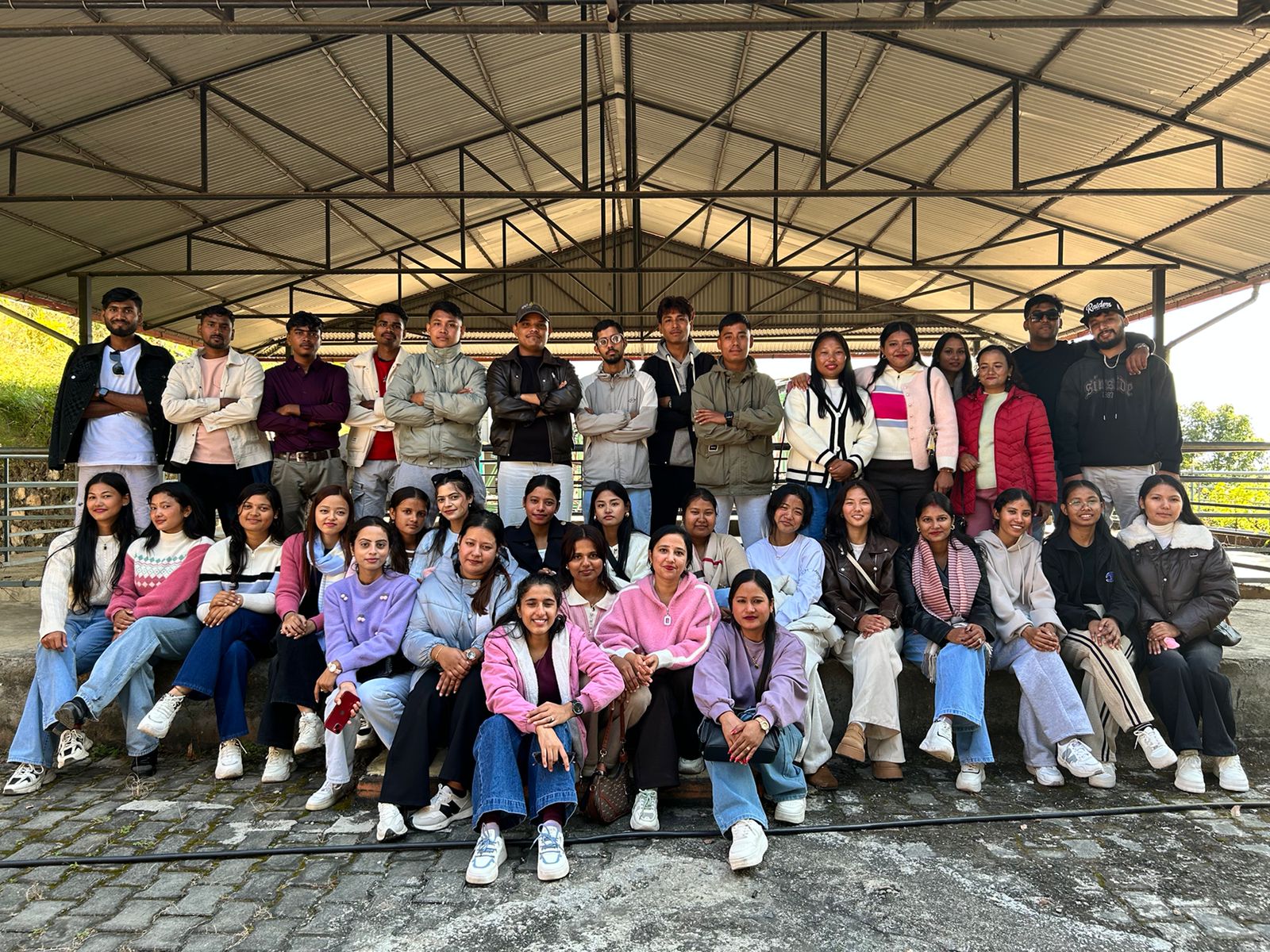
Are you preparing to go to Japan on a Student Visa or SSW Visa? If you are looking for high-quality Japanese language classes, look no further!
January 21, 2026

Here are the key strengths and positive aspects of Sabi Education Group
January 20, 2026
Services
Working Hours
- Sunday: 7 AM to 5 PM
- Monday: 7 AM to 5 PM
- Tuesday: 7 AM to 5 PM
- Wednesday: 7 AM to 5 PM
- Thursday: 7 AM to 5 PM
- Friday: 7 AM to 5 PM
Contact Us
OFFICE :
- Bharatpur
- Ratnanagar
Copyright © 2025 Sabi Education Group. All rights reserved
Powered by Dipesh Chaudhary