Blog Details
☆ From Blog
Blog Details
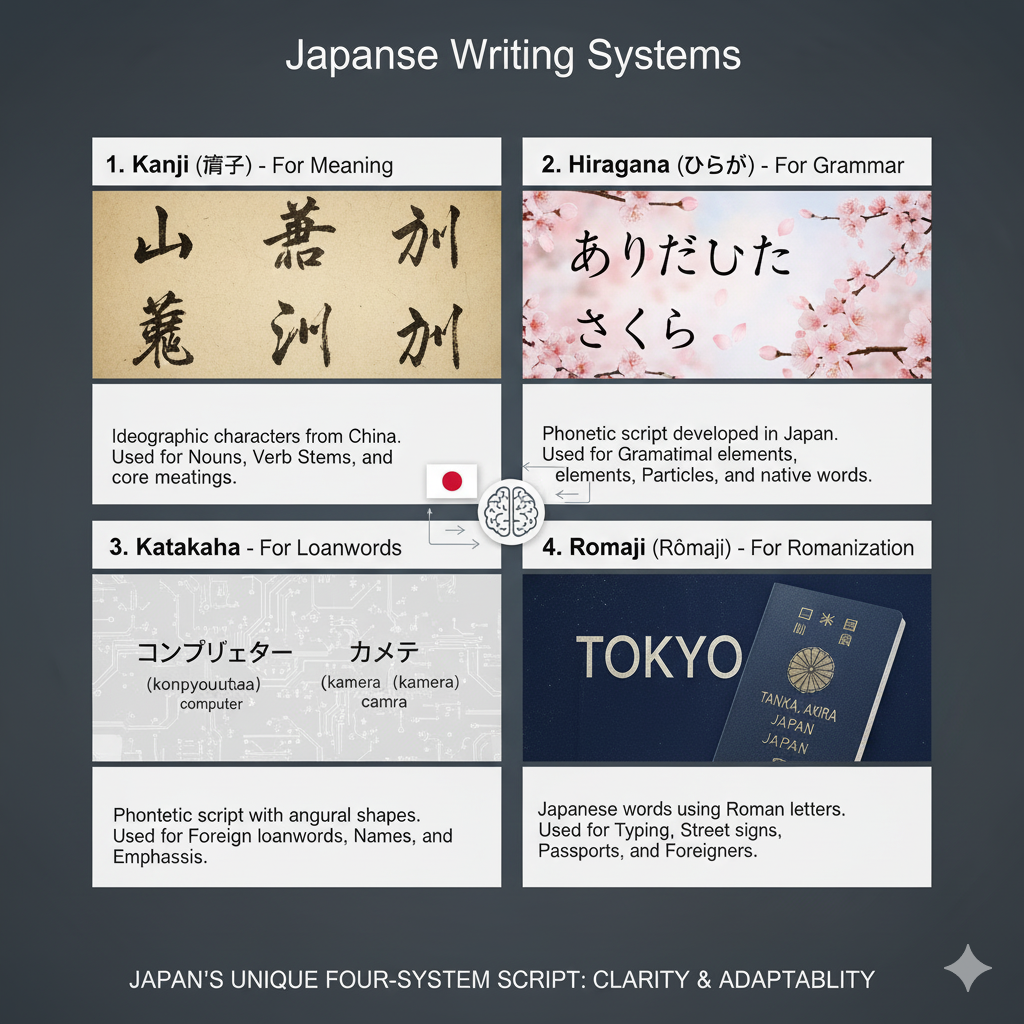
✍️ Japan's Four Writing Systems and Their Use
To write the Japanese language, three main systems are used daily, and one additional system (Romaji) is used for assistance.
1. Kanji - Characters that Carry Meaning
- Origin and Role: Kanji characters were adopted from China. These are ideographic characters that carry a meaning.
- Usage: Kanji is used to write core words such as Nouns, Verb stems, and Adjective stems.
2. Hiragana - For Grammar
- Nature and Role: Hiragana is a system developed in Japan. Its characters are phonetic and each character represents a syllable sound.
- Usage: Hiragana is mainly used for grammatical elements like verb endings, particles, and when the Kanji for a word is unavailable or too difficult.
3. Katakana - For Foreign Words
- Nature and Role: Like Hiragana, Katakana is also phonetic, but its shape is angular and simple.
- Usage: Katakana is primarily used to write loanwords (words adopted from foreign languages) such as 'computer' (コンピューター, konpyuutaa), geographical names, and for words that require emphasis.
4. Rōmaji - Roman Letters
- Nature and Role: Rōmaji is the system of writing Japanese words using Roman (English) letters.
- Usage: It is mainly used for teaching Japanese pronunciation to foreigners, for typing on computers, or for internationalization in places like street signs and passports.
Summary: The Japanese language utilizes these four systems together to ensure clarity of meaning (Kanji), grammatical fluidity (Hiragana), identification of foreign words (Katakana), and international accessibility (Rōmaji).
Recent Blogs
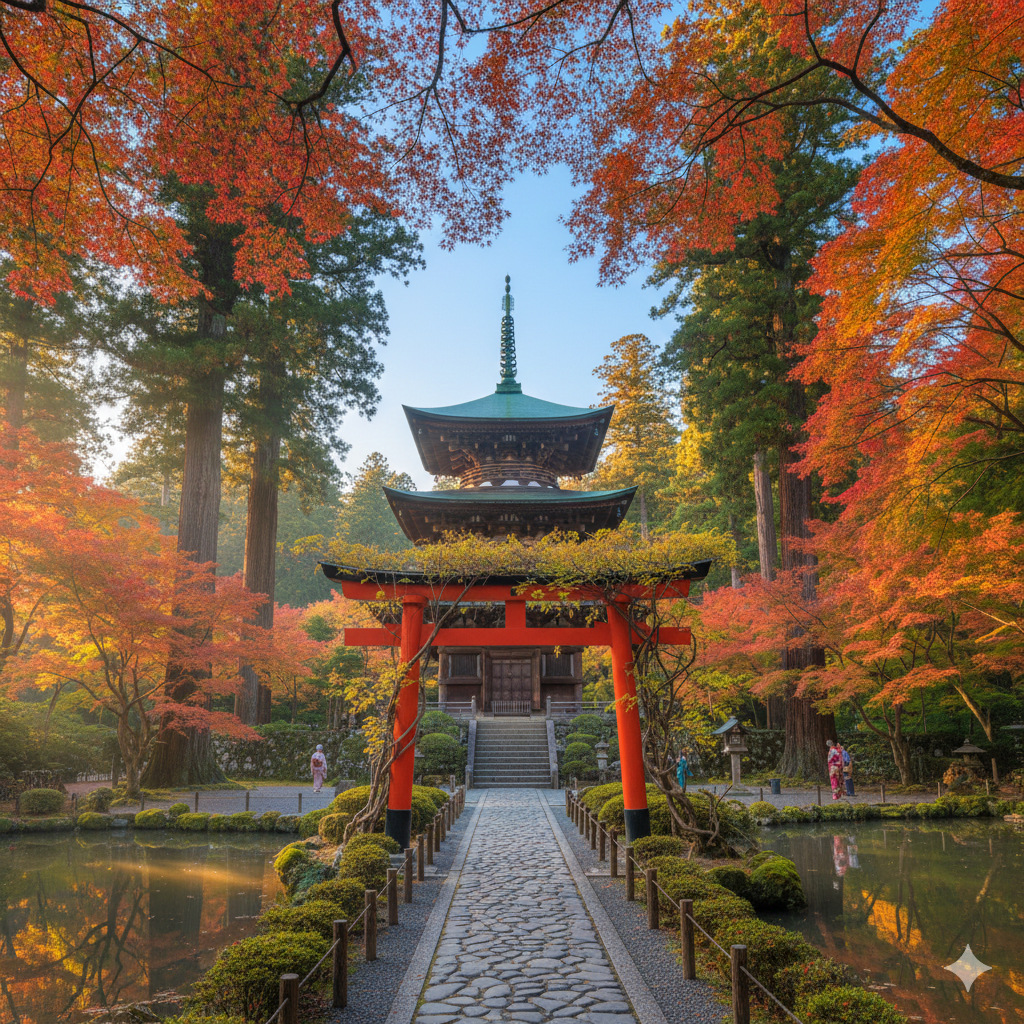
🇯🇵जापानी भाषा सिकौँ, जापान जाने सपना साकार पारौँ! 🌸
January 25, 2026

How Curry Day is celebrated in Japan like this
January 22, 2026
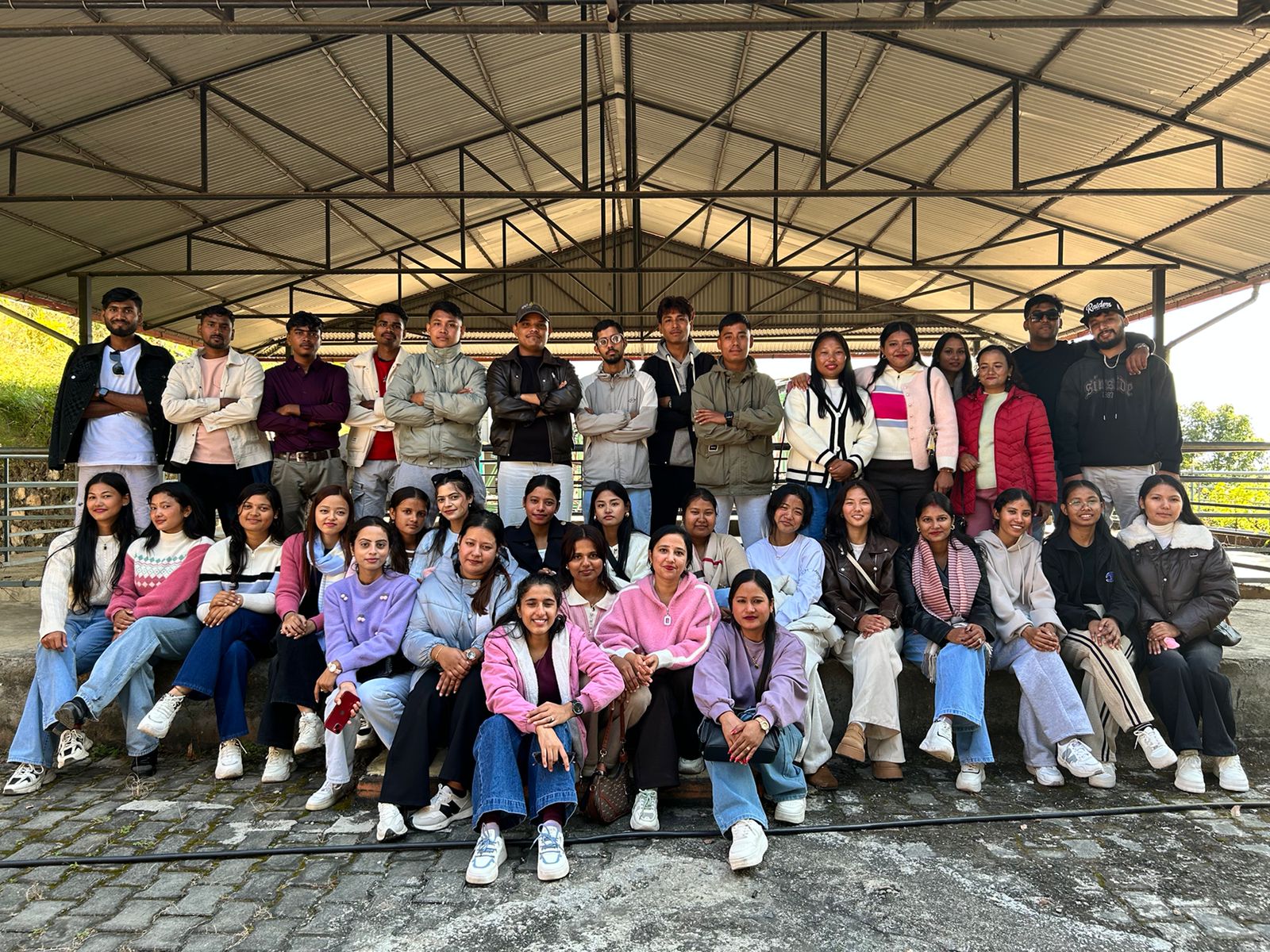
Are you preparing to go to Japan on a Student Visa or SSW Visa? If you are looking for high-quality Japanese language classes, look no further!
January 21, 2026
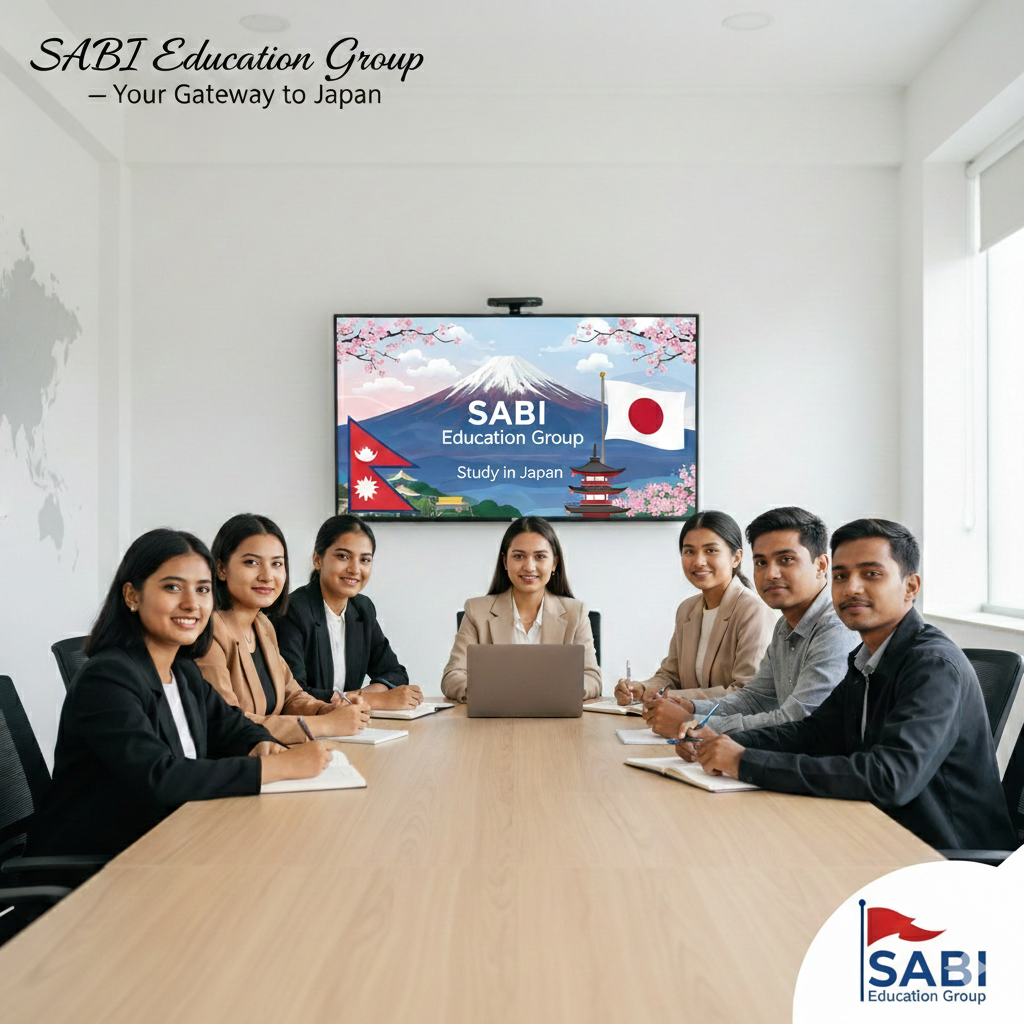
Here are the key strengths and positive aspects of Sabi Education Group
January 20, 2026
Services
Working Hours
- Sunday: 7 AM to 5 PM
- Monday: 7 AM to 5 PM
- Tuesday: 7 AM to 5 PM
- Wednesday: 7 AM to 5 PM
- Thursday: 7 AM to 5 PM
- Friday: 7 AM to 5 PM
Contact Us
OFFICE :
- Bharatpur
- Ratnanagar
Copyright © 2025 Sabi Education Group. All rights reserved
Powered by Dipesh Chaudhary