Blog Details
☆ From Blog
Blog Details
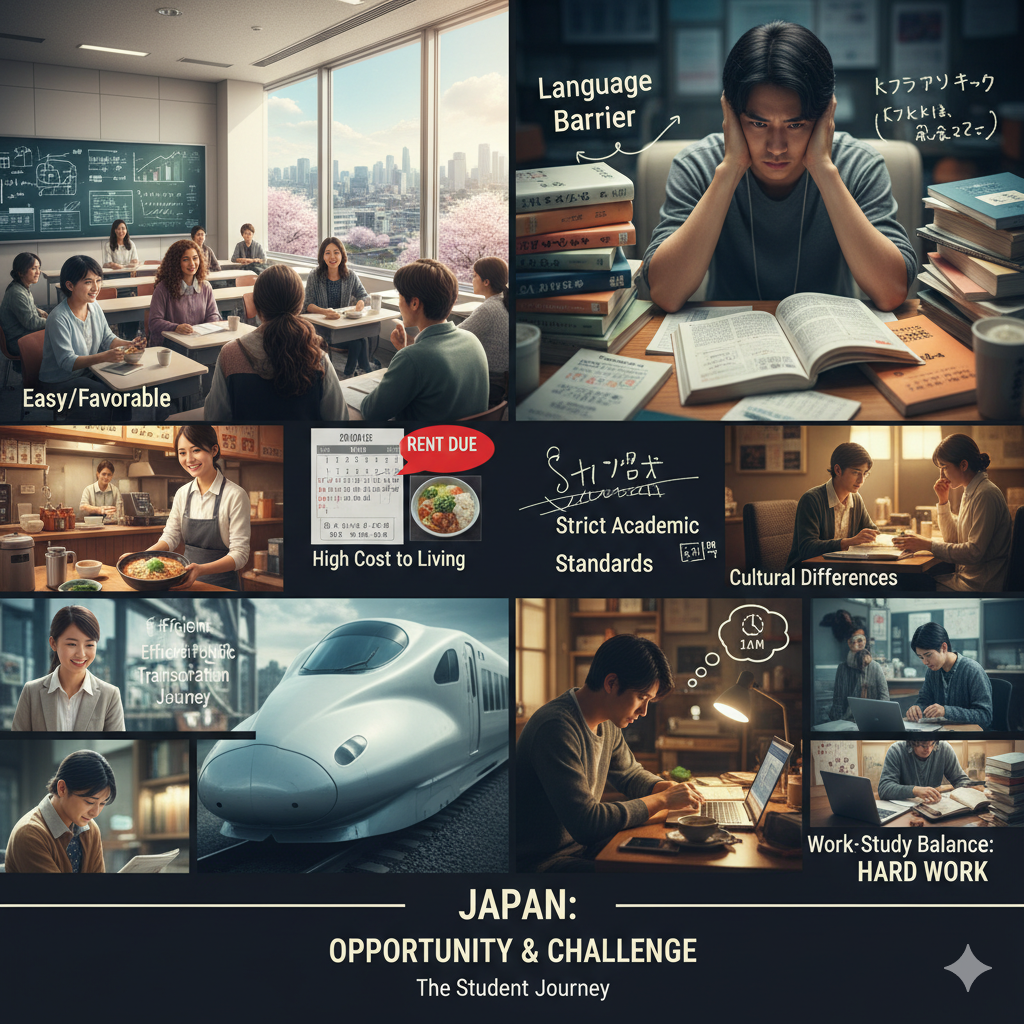
students in Japan both easy (favorable) and difficult (challenging)
✅ Easy/Favorable Aspects
Aspect | ExplanationHigh Quality Education | Japanese universities and schools are known globally for their excellent academic standards and modern research facilities, which highly benefit a student's career.
Safety and Security | Japan is consistently ranked as one of the safest countries in the world with a very low crime rate, allowing students to live and travel worry-free.
Part-Time Work Opportunities | International students are permitted to work up to 28 hours per week (during the semester). This income helps significantly in covering living expenses.
Efficient Public Transportation | The railway and bus networks are extremely reliable, punctual, and convenient, making it easy to commute to school and work.
Courtesy and Politeness | Japanese people are generally highly courteous, respectful, and helpful. Many are willing to assist foreign students navigating daily life.
❌ Difficult/Challenging Aspects
Aspect | ExplanationThe Language Barrier | Lack of proficiency in Japanese (especially Kanji) is the biggest challenge for daily life and academic success. Learning the language is essential.
High Cost of Living | Major cities like Tokyo and Osaka have a very high cost of living, especially for rent and utilities, which can strain a student's budget.
Strict Academic Standards | Japanese educational institutions have strict rules regarding attendance, homework, and academic discipline. Maintaining a high level of performance requires commitment.
Cultural Differences | The social rules and etiquette in Japan are very different from Nepal. Adapting to the culture and social environment can take time and effort.
Work-Study Balance | Balancing part-time work, intensive Japanese language study, and college coursework requires a great deal of discipline and hard work.
Recent Blogs
🇯🇵जापानी भाषा सिकौँ, जापान जाने सपना साकार पारौँ! 🌸
January 25, 2026

How Curry Day is celebrated in Japan like this
January 22, 2026
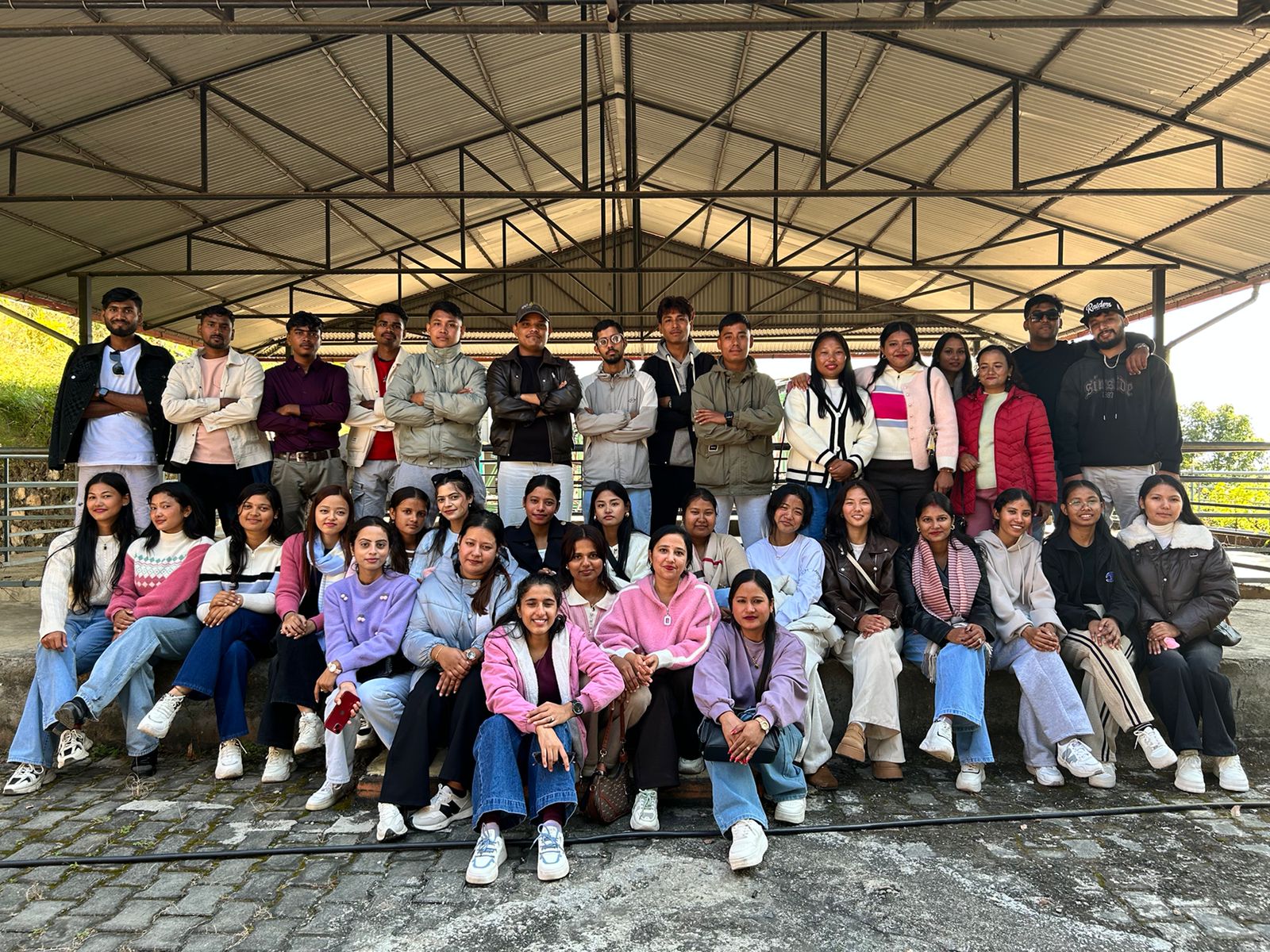
Are you preparing to go to Japan on a Student Visa or SSW Visa? If you are looking for high-quality Japanese language classes, look no further!
January 21, 2026
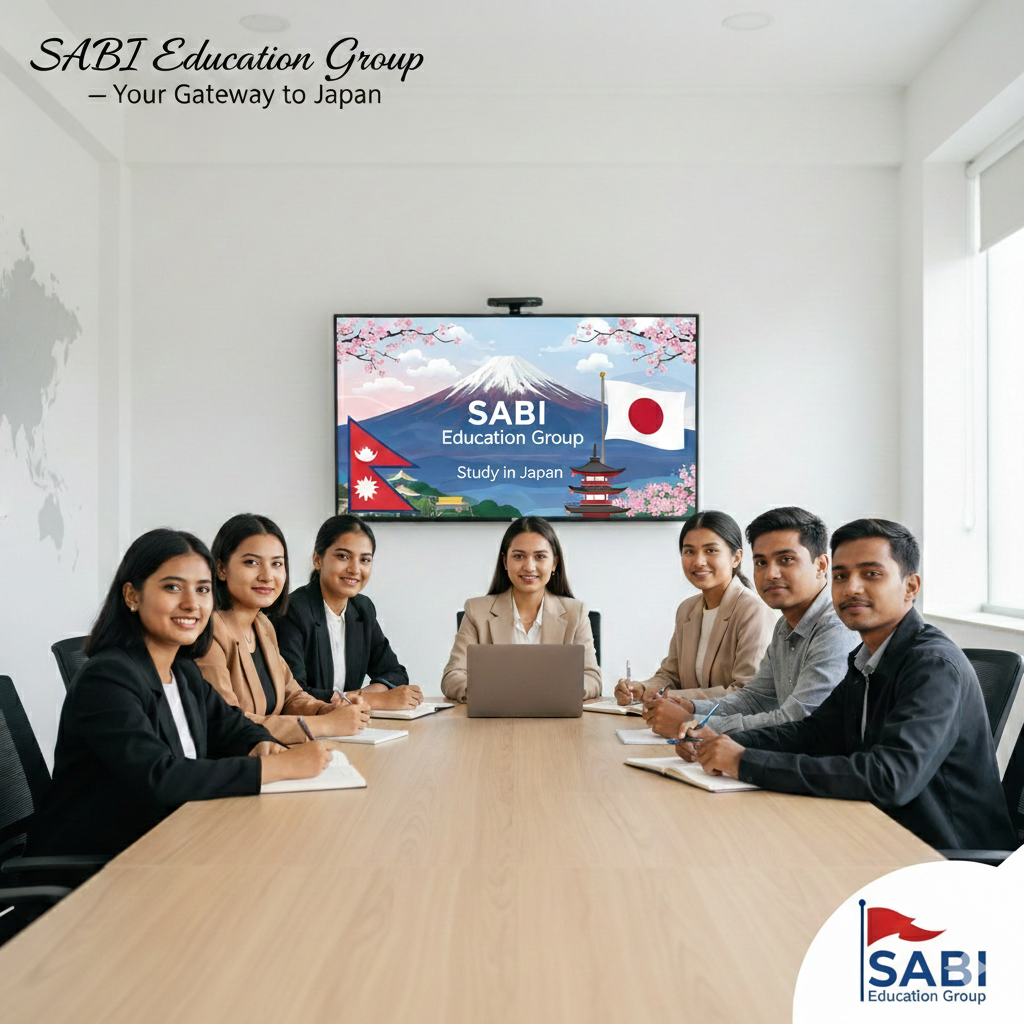
Here are the key strengths and positive aspects of Sabi Education Group
January 20, 2026
Services
Working Hours
- Sunday: 7 AM to 5 PM
- Monday: 7 AM to 5 PM
- Tuesday: 7 AM to 5 PM
- Wednesday: 7 AM to 5 PM
- Thursday: 7 AM to 5 PM
- Friday: 7 AM to 5 PM
Contact Us
OFFICE :
- Bharatpur
- Ratnanagar
Copyright © 2025 Sabi Education Group. All rights reserved
Powered by Dipesh Chaudhary