Blog Details
☆ From Blog
Blog Details

What Kind of Study is Involved in N5?
The $N5$ level primarily focuses on the following core areas:
1. Scripts
- Hiragana: The foundational phonetic alphabet of Japanese. (Must learn all $46$ basic characters plus variations).
- Katakana: The phonetic alphabet used for foreign words and names. (Must learn all $46$ basic characters plus variations).
- Kanji: You are expected to recognize and understand approximately $100$ basic and frequently used Kanji (Chinese characters).
2. Vocabulary
- You need to learn about $800$ to $1000$ fundamental vocabulary words used in daily life (e.g., family, time, food, places, basic verbs, etc.).
3. Grammar
- The focus is on very basic and simple grammatical structures:
- Basic sentence structure (Subject - Object - Verb order).
- Simple verb conjugations and forms (present, past, negative, and the polite $Masu$ form).
- Use of basic particles (e.g., $wa$, $o$, $ga$, $ni$, $e$ (he), $mo$, $to$, etc.).
- Basic usage of nouns and adjectives.
4. Communication Ability
- Listening/Reading: You should be able to understand short and simple conversations spoken slowly and clearly, and understand simple texts related to daily topics.
- Speaking: You should be able to introduce yourself, answer simple questions, and express basic needs (e.g., buying things, asking for time, etc.).
In short: $N5$ establishes the foundation of the Japanese language and allows you to handle very basic matters in everyday life in Japan.
Recent Blogs
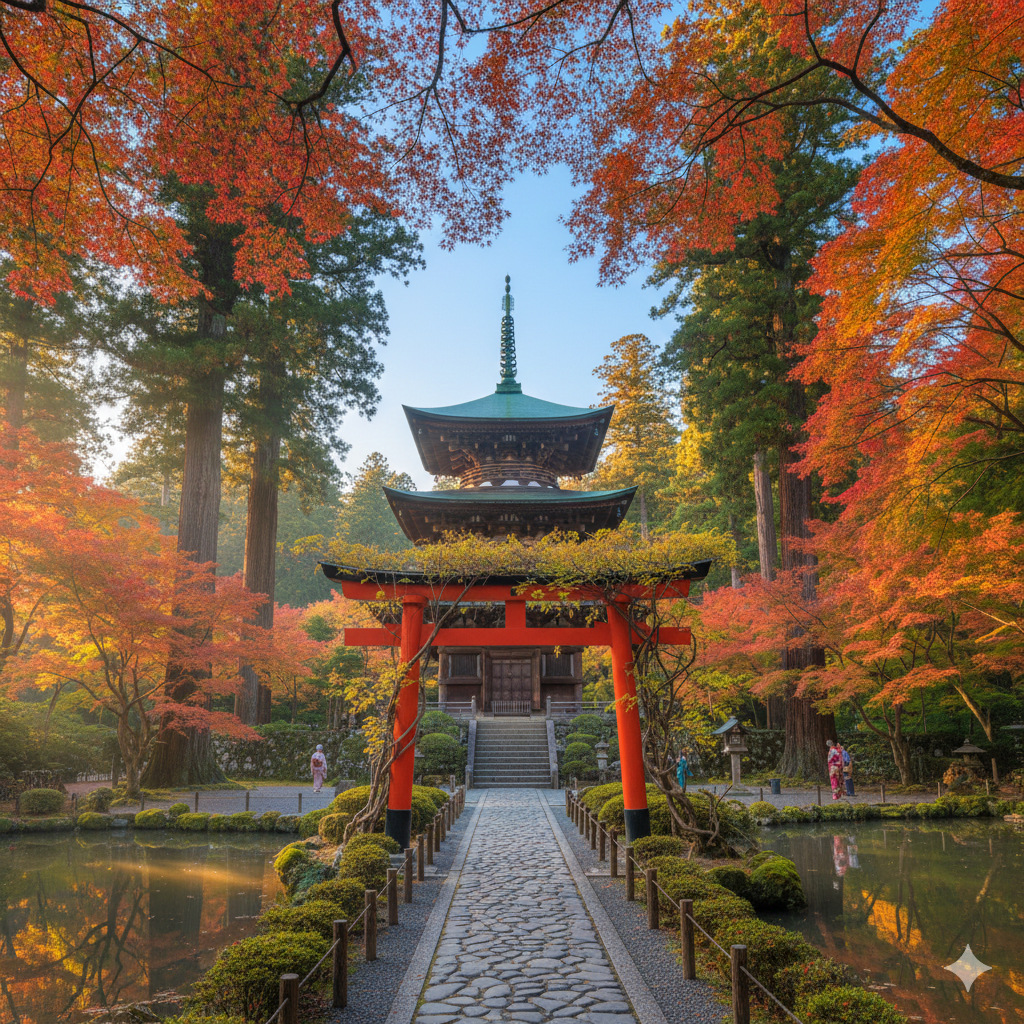
🇯🇵जापानी भाषा सिकौँ, जापान जाने सपना साकार पारौँ! 🌸
January 25, 2026

How Curry Day is celebrated in Japan like this
January 22, 2026
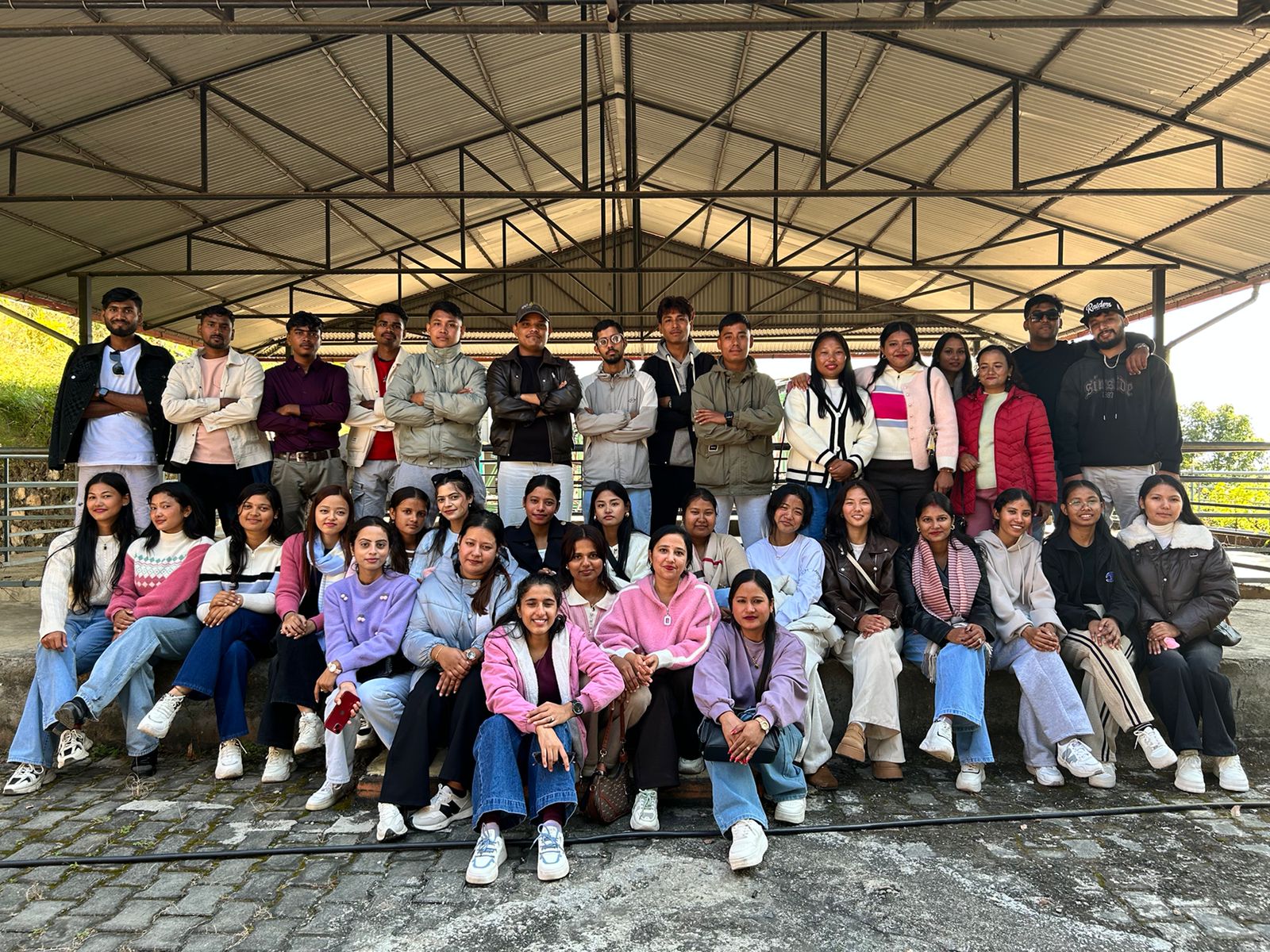
Are you preparing to go to Japan on a Student Visa or SSW Visa? If you are looking for high-quality Japanese language classes, look no further!
January 21, 2026
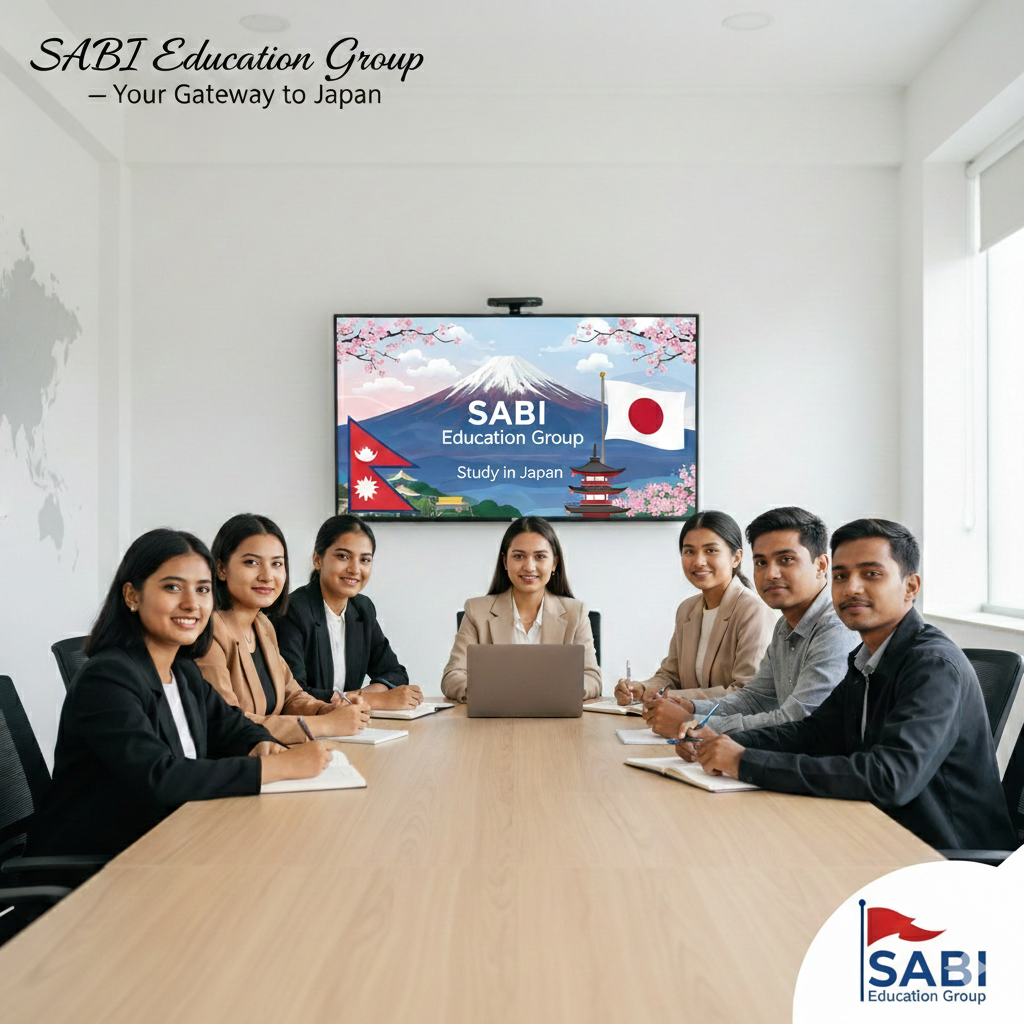
Here are the key strengths and positive aspects of Sabi Education Group
January 20, 2026
Services
Working Hours
- Sunday: 7 AM to 5 PM
- Monday: 7 AM to 5 PM
- Tuesday: 7 AM to 5 PM
- Wednesday: 7 AM to 5 PM
- Thursday: 7 AM to 5 PM
- Friday: 7 AM to 5 PM
Contact Us
OFFICE :
- Bharatpur
- Ratnanagar
Copyright © 2025 Sabi Education Group. All rights reserved
Powered by Dipesh Chaudhary